Why Are My Rental Properties Always Having Pest Problems?
By Mikkel Henderson
Published On February 11, 2026
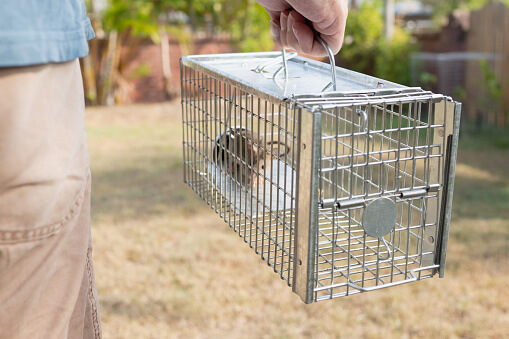
Pest infestations in rental properties are a recurring headache for many landlords. Whether it’s roaches, rodents, ants, or bed bugs, these unwelcome guests can damage property, disrupt tenants, and tarnish your reputation. But why do rental homes seem to attract pests more frequently than owner-occupied ones?
Let’s break down the key reasons—and what you can do to fix them.
1. High Turnover and Inconsistent Cleanliness
Rental units often experience frequent tenant turnover. Each move-in and move-out cycle introduces new habits, cleaning standards, and potential pest attractants.
- Tenants may leave behind crumbs, spills, or clutter.
- Deep cleaning between tenants is sometimes rushed or incomplete.
- Shared spaces (like hallways or laundry rooms) may not be cleaned regularly.
Even one messy tenant in a multi-unit building can trigger a pest outbreak that spreads to neighboring units.
2. Deferred Maintenance and Repairs
Small issues like leaky pipes, cracked foundations, or broken screens can create ideal entry points and nesting sites for pests.
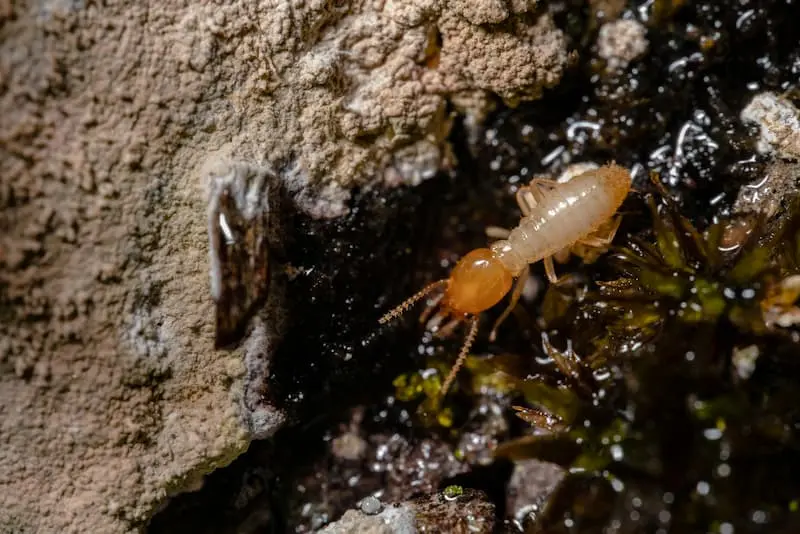
- Moisture from leaks attracts ants, roaches, and termites.
- Gaps and cracks allow rodents and insects to enter.
- Overgrown landscaping or wood piles near the property invite outdoor pests.
Landlords may delay repairs due to budget constraints or lack of awareness, unintentionally creating a pest-friendly environment.
3. Lack of Preventive Pest Control
Many landlords wait until tenants report a problem before taking action. But by then, the infestation may be well established.
- Proactive pest control (quarterly inspections and treatments) is often skipped.
- No clear pest control plan is outlined in the lease.
- Tenants may use ineffective DIY methods that worsen the issue.
Without a consistent pest management strategy, infestations can spiral out of control.
4. Tenant Behavior and Food Storage
Tenants may unknowingly contribute to pest problems through everyday habits:
- Leaving pet food out overnight
- Storing food in unsealed containers
- Skipping trash removal or recycling
- Accumulating clutter in garages, closets, or patios
These behaviors create a buffet for pests and make it harder to control infestations.
5. Legal and Communication Confusion
In many states, landlords must provide a pest-free environment at move-in, but tenants are responsible for maintaining cleanliness. When roles aren’t clearly defined:
- Tenants may ignore early signs of infestation.
- Landlords may assume it’s the tenant’s problem.
- Disputes delay treatment and worsen the issue.
Clear lease language and open communication are essential to prevent misunderstandings.
How to Break the Cycle
Here are practical steps to reduce pest problems in your rental properties:
- Schedule regular pest inspections and treatments
- Include pest control responsibilities in the lease
- Perform thorough cleaning between tenants
- Address moisture issues and seal entry points
- Educate tenants on pest prevention
- Respond quickly to complaints and sightings
Pest problems don’t have to be a permanent feature of your rental portfolio. With proactive management, clear expectations, and regular maintenance, you can protect your investment—and keep your tenants happy.
Related Posts

Book Bed Bug Exterminator in Tulsa Today
If you suspect bedbugs in your home, professional help can eliminate the problem quickly. Our team provides trusted bed bug extermination in Tulsa with solutions tailored to your property.
Contact Pathfinder Pest Control today to schedule a bed bug inspection and protect your home with expert bed bug control in Tulsa.
Need More Help?

Mikkel Henderson
About The Author
Hi, I am Mikkel Henderson, owner of Pathfinder Pest Control. Over the years, I worked directly with homeowners and businesses in Tulsa. Me and my team helped them to get rid of all kinds of pests such as bed bug, cockroach, rodents, ants & termites.
On this website, I share real experience advice and write guides so you can better understand pest issues. In my free time, I like to spend time outdoors and enjoy a bit of fishing.