The importance of Pest Control at Restaurants
By Mikkel Henderson
Published On February 9, 2026
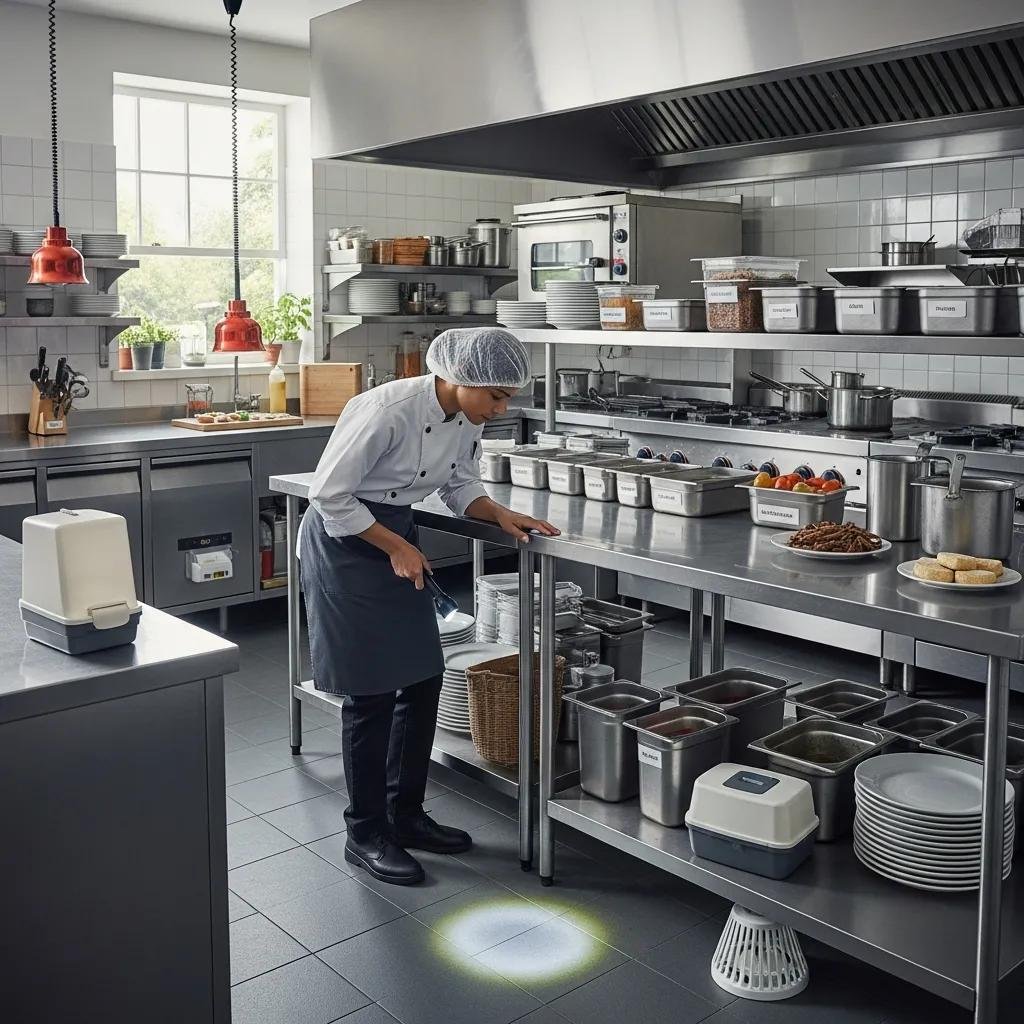
Restaurant Pest Prevention: How Smart Pest Control Protects Food Safety and Your Business
Effective pest control is a foundation of safe, successful restaurants. Beyond cleanliness, it protects customers, staff, and your brand. This guide explains why pests matter in food service, which species pose the greatest risk, what regulations shape pest management, and the practical steps operators use to prevent and remove infestations. Read on to learn common threats, compliance priorities, proven control methods, and how to select the right pest-control partner for your kitchen.
What Are the Most Common Pests Affecting Restaurants and Their Risks?
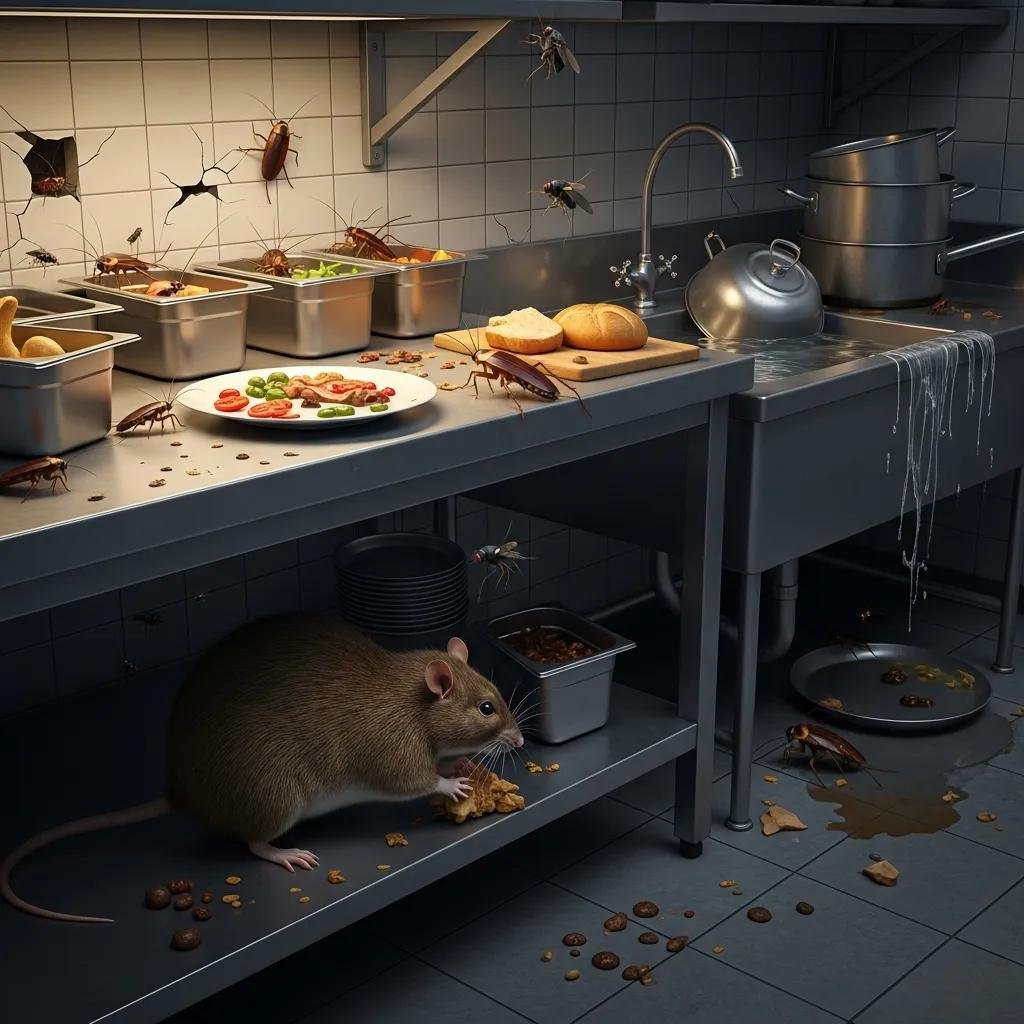
Restaurants regularly contend with pests such as rodents, cockroaches, and flies. Each creates distinct health hazards and business fallout if left unchecked, from contaminated food to failed inspections and unhappy customers.
Industry specialists stress that the most effective programs combine prevention, rigorous sanitation, and professional treatment when needed.
Restaurant Pest Control: Prevention, Eradication & Sanitation
Pests of major concern in food operations include the German, American and Oriental cockroaches; house and fruit flies; Norway rats and house mice; and nuisance birds such as pigeons, sparrows and starlings. The best results come from keeping pests out — denying them entry, shelter and food sources. When infestations occur, targeted measures (pesticides, traps and other controls) are necessary but should supplement—never replace—good sanitation. Because pesticides carry risks, select and handle them carefully and follow storage, use and disposal precautions. Trained staff may manage routine treatments, but complex or hazardous situations warrant a licensed exterminator.
Pest control, MW Schilling, 2018
How Do Rats and Rodents Impact Restaurant Hygiene and Health?
Rats and mice spread pathogens like salmonella and hantavirus and can contaminate food, surfaces and storage areas. They also damage infrastructure — gnawing on wiring, insulation and packaging — which leads to costly repairs and safety hazards. Controlling rodents promptly protects both public health and your reputation.
What Are the Effects of Termite Infestations on Commercial Kitchen Infrastructure?
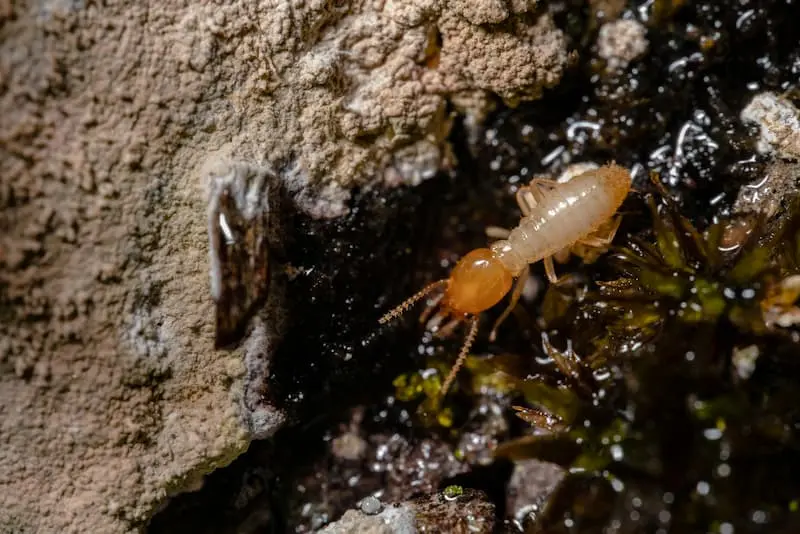
Termites target wood structures and can undermine storage shelving, framing and other fixtures in kitchens and back-of-house areas. Left unchecked, infestations may require extensive repairs or renovation. Regular inspections and preventive treatments help protect a restaurant’s physical assets and avoid disruptive, expensive damage.
How Do Food Safety Regulations Influence Pest Control Requirements in Restaurants?
Food-safety rules set clear expectations for pest prevention and management in food service. Compliance is both a legal necessity and a way to maintain customer trust and brand integrity.
What Are the Key Health Code Pest Control Standards Restaurants Must Follow?
Health codes typically require a pest-free environment, routine inspections, and documented pest-management activity. Failure to meet these standards can lead to fines, corrective orders or temporary closures — all of which have direct operational and reputational costs.
How Does Compliance with Food Safety Laws Protect Brand Reputation?
Following food-safety laws helps prevent incidents that damage trust. Pest-related violations draw negative attention and can drive customers away. Prioritizing pest control shows your commitment to safety and helps build long-term customer confidence.
What Are the Best Prevention and Extermination Methods for Restaurant Pest Control?
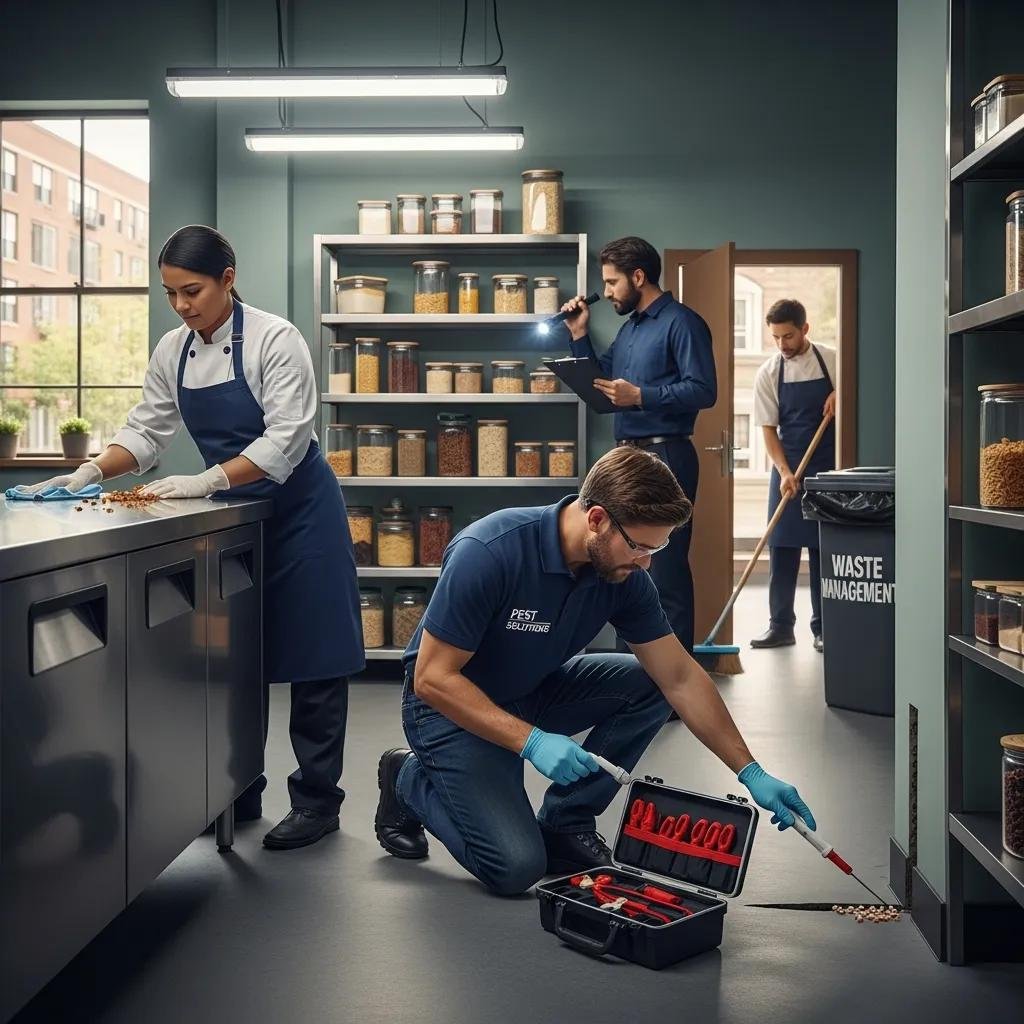
A practical pest-control program mixes proactive prevention with targeted treatments. Below are the strategies most restaurants rely on to reduce risk and meet regulatory expectations.
Which Integrated Pest Management Strategies Are Most Effective in Food Service Settings?
Integrated Pest Management (IPM) is the preferred framework for food service because it focuses on prevention first and intervention only when necessary. Key elements include:
- Regular Inspections
: Schedule frequent walkthroughs to spot entry points, moisture, and potential breeding areas before problems start.
- Sanitation Practices
: Keep food prep and storage areas spotless and remove spills and waste promptly to deny pests easy food sources.
- Exclusion Techniques
: Seal gaps, repair screens and doors, and maintain building envelopes to block pest access.
These proactive steps reduce infestation risk and support health-code compliance.
How Can Restaurants Implement Rodent and Termite Control Measures Efficiently?
To manage rodents and termites effectively and efficiently, restaurants should:
- Engage Professional Services
: Work with licensed pest-control firms that understand commercial kitchens and regulatory requirements.
- Conduct Regular Training
: Teach staff to recognize signs of pests, report issues quickly, and follow prevention protocols.
- Monitor and Evaluate
: Use traps, sensors and logs to track activity and measure whether control measures are working.
Combining expert support with trained staff and monitoring creates a durable defense against pests.
How to Choose Professional Pest Control Services Tailored for Restaurants?
Choosing the right provider makes a big difference. The right partner understands food-safety rules and the operational realities of kitchens.
What Criteria Should Restaurants Use to Select Reliable Pest Control Providers?
When evaluating pest-control companies, weigh these factors:
- Experience in the Restaurant Industry
: Prefer firms with a proven record in food-service settings and familiarity with health-inspection expectations.
- Certifications and Licenses
: Verify appropriate licensing and certifications required in your jurisdiction.
- Customer Reviews and Testimonials
: Read feedback from other restaurants to assess responsiveness and results.
These criteria help you choose a provider who can deliver safe, effective, and compliant pest management.
How Do Pest Control Services Ensure Ongoing Prevention and Compliance?
Professional pest-control partners maintain prevention and compliance by offering:
- Regular Inspections and Monitoring
: Routine visits and ongoing tracking to catch issues early and prevent escalation.
- Staff Training
: Practical training for employees on prevention, detection and reporting.
- Documentation and Reporting
: Clear records of treatments, inspections and outcomes to demonstrate compliance during audits.
This structured approach helps restaurants stay pest-free and inspection-ready.
What Are the Health Risks and Business Impacts of Pest Infestations in Restaurants?
Pest infestations create real health risks and measurable business damage, so effective control is not optional.
How Do Pest Infestations Lead to Foodborne Illness and Customer Complaints?
Pests can contaminate food and surfaces, increasing the risk of foodborne illness and prompting customer complaints or legal claims. Beyond immediate health impacts, these incidents can cause lost revenue, higher insurance costs and reputational harm.
What Are the Consequences of Pest-Related Regulatory Violations and Closures?
Violations tied to pest problems can result in fines, mandatory closures and negative press — outcomes that harm customer trust and long-term viability. Proactive pest management helps avoid these costly disruptions.
How Can Restaurants Monitor and Maintain Effective Pest Control Over Time?
Long-term pest control relies on consistent monitoring, documentation and adjustments based on what the data shows.
What Tools and KPIs Help Track Pest Control Success in Food Service?
Restaurants typically track a few practical measures to judge program effectiveness:
- Pest Activity Logs
: Record sightings, trap captures and remedial actions to spot trends and recurring issues.
- Inspection Checklists
: Standardized checklists ensure thorough, repeatable inspections across shifts and locations.
- Customer Feedback
: Monitor complaints related to pests as an early warning signal and validation metric.
These tools make it easier to evaluate performance and prioritize corrective action.
How Often Should Restaurants Update Pest Control Plans to Meet Latest Standards?
Update pest-control plans regularly — typically every six months or after any notable pest activity. Staying current with local health regulations and emerging control techniques helps your program remain effective and compliant.
The table summarizes common pests, the health threats they pose, and the typical business consequences — underscoring the importance of a proactive strategy.
This comparison highlights how different tactics fit together: prevention and monitoring reduce reliance on reactive treatments, while professionals handle complex or persistent problems.
In short, effective pest control protects food safety, preserves customer trust and keeps operations running smoothly. By recognizing common threats, following regulations, and combining strong sanitation with professional support, restaurant owners can minimize risk and respond quickly when issues arise. Regular monitoring and clear documentation further strengthen any pest-management plan.
Conclusion
Effective pest control is essential to safeguarding food safety and the long-term success of a restaurant. Recognize the threats posed by common pests, keep up with health regulations, and adopt proven prevention and response practices. Partnering with experienced pest-control professionals and maintaining ongoing training and monitoring will help you protect customers, staff and your brand. Take action now to keep your establishment safe and inspection-ready.
Related Posts

Book Bed Bug Exterminator in Tulsa Today
If you suspect bedbugs in your home, professional help can eliminate the problem quickly. Our team provides trusted bed bug extermination in Tulsa with solutions tailored to your property.
Contact Pathfinder Pest Control today to schedule a bed bug inspection and protect your home with expert bed bug control in Tulsa.
Need More Help?

Mikkel Henderson
About The Author
Hi, I am Mikkel Henderson, owner of Pathfinder Pest Control. Over the years, I worked directly with homeowners and businesses in Tulsa. Me and my team helped them to get rid of all kinds of pests such as bed bug, cockroach, rodents, ants & termites.
On this website, I share real experience advice and write guides so you can better understand pest issues. In my free time, I like to spend time outdoors and enjoy a bit of fishing.