the dangers of mosquitoes in broken arrow
By Mikkel Henderson
Published On February 9, 2026

Mosquito Control in Broken Arrow: What to Know and How to Protect Your Home
Mosquitoes are more than an irritating bite — they can carry illnesses that affect households across Broken Arrow, Oklahoma. In this guide we explain which species are common here, how they behave, the diseases they can carry, and the practical steps you can take to lower risk. Read on for clear, local advice and handy prevention tips you can use at home.
What mosquito species are common in Broken Arrow and how do they behave?
Several mosquito species live around Broken Arrow, and each one behaves in ways that affect how likely it is to bite people or spread disease. Knowing which species you’re dealing with helps target the right prevention steps.
Identifying local mosquito species and their life cycles
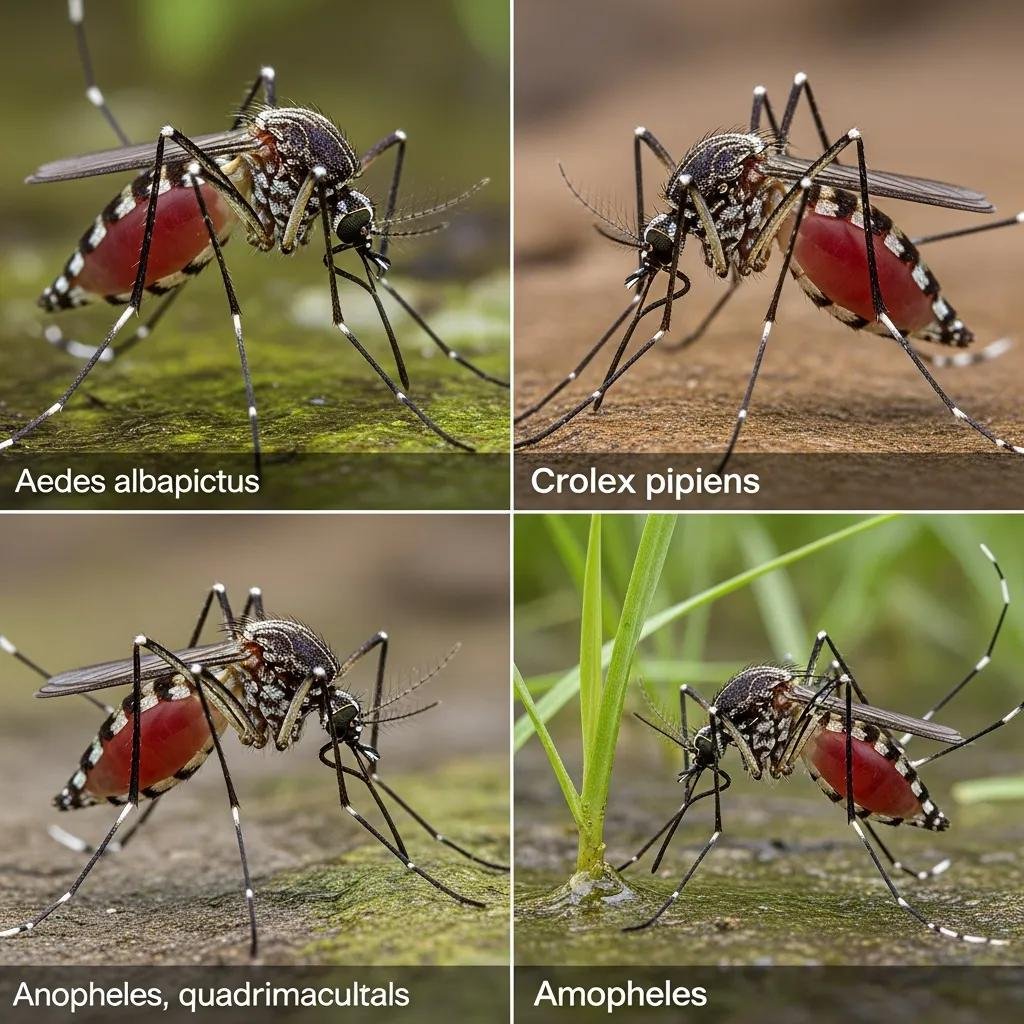
Common species in the area include Aedes albopictus, Culex pipiens and Anopheles quadrimaculatus. Mosquitoes go through four stages — egg, larva, pupa and adult — and eggs are often laid in standing water. Larvae feed on organic matter in the water before becoming pupae and then adults. Under warm, wet conditions the full cycle can finish in about a week, which is why controlling
breeding sites
around your property is an essential first step.
Additional research maps how mosquito communities vary across Oklahoma cities and highlights common species such as Culex pipiens.
Oklahoma Mosquito Species & Urban Communities
A 2016 field study across six Oklahoma cities collected nearly 12,000 female mosquitoes representing 34 species during May–September. The results show differences in species mixes by city and identify Culex pipiens among the most frequently trapped species — useful context for urban mosquito management.
Differences in mosquito communities in six cities in Oklahoma, JD Wormington, 2019
How mosquito behavior affects disease transmission in Broken Arrow
Behavior matters for disease risk. For example, Aedes mosquitoes bite aggressively during the day and often breed in small artificial containers, bringing them close to people. Culex species are more active at dusk and dawn and can breed in larger stagnant water sources. Matching control actions — like removing container habitats or using repellents when mosquitoes are active — makes prevention far more effective.
Which mosquito-borne diseases pose risks in Oklahoma and Broken Arrow?
Mosquitoes can transmit several diseases that matter for local public health. Knowing which illnesses to watch for helps you take the right precautions and seek care when needed.
Overview of West Nile virus, Zika virus, and dengue prevalence
In Oklahoma, the
West Nile virus
is the mosquito-borne illness reported most often, with cases usually rising in late summer. Zika virus is not known to be locally transmitted here but remains a travel-related risk, especially for pregnant people because of its links to birth defects. Dengue is uncommon in Oklahoma and mainly appears in travelers returning from areas where it’s endemic. Knowing symptoms and local trends helps residents act promptly.
How mosquitoes transmit diseases and local incidence trends
Mosquitoes transmit pathogens when an infected insect bites a person and transfers the agent into the bloodstream. Often the cycle begins when a mosquito feeds on an infected host and then bites someone else. Local surveillance shows West Nile virus levels can vary year to year; stronger monitoring and targeted control help limit outbreaks. Keeping up with local health updates supports timely prevention and response.
What are effective mosquito bite prevention methods in Broken Arrow?
Reducing bites lowers your chance of infection. A mix of personal protection and environmental fixes works best — think of it as layers of defense for you and your yard.
Personal protection tips and outdoor mosquito prevention strategies
To reduce your exposure to mosquitoes, try these practical steps:
- Wear long sleeves and pants
: Choose lightweight, light-colored clothing to make bites less likely and stay comfortable outside.
- Use screens on windows and doors
: Keep screens in good repair so mosquitoes can’t get into living spaces.
- Avoid outdoor activities during peak hours
: Mosquitoes are often most active at dawn and dusk — plan activities accordingly when possible.
Combining these habits with yard work and repellents can cut your bite risk substantially.
Using repellents and environmental controls to reduce bites
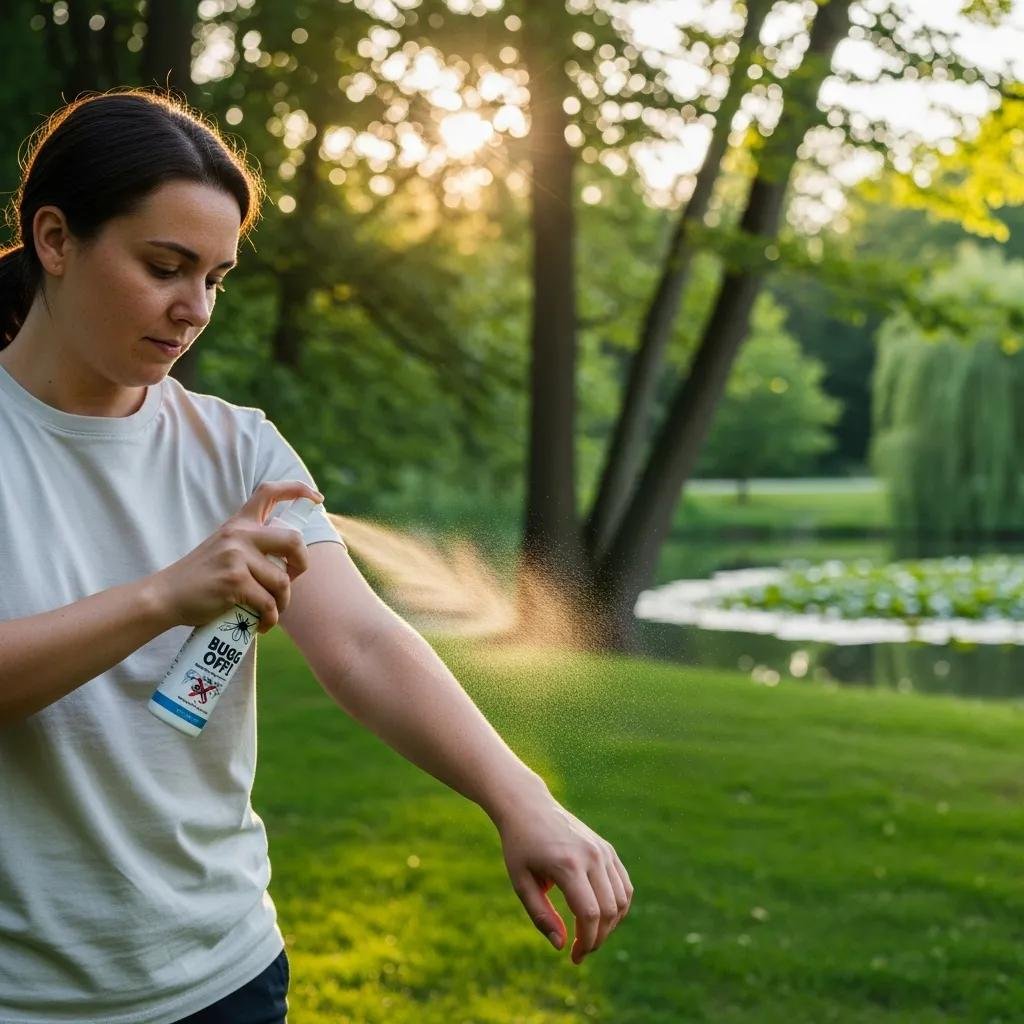
Effective repellents usually contain DEET, picaridin, or oil of lemon eucalyptus — apply them on exposed skin per the product instructions. At the same time, tackle breeding sites: remove standing water, treat persistent water with larvicide where appropriate, and keep landscaping trimmed so water drains. Combining repellents with environmental controls gives stronger, longer-lasting protection.
Which mosquito control and treatment services are available in Broken Arrow?
Homeowners in Broken Arrow can choose from several professional services to reduce mosquito activity on their properties. Service options vary by scope and frequency.
Local pest exterminators specializing in mosquito control
Local pest control companies often offer mosquito-specific programs that include property inspections to find breeding sites, larvicide treatments in water, and adult mosquito treatments such as targeted spraying or misting. A reputable provider will recommend a plan tailored to your yard size, vegetation and mosquito pressure.
Comparing mosquito treatment options: fogging, larvicide, and eco-friendly methods
Typical control methods include:
- Fogging
: Sprays insecticide into the air to quickly reduce adult mosquito numbers. Good for immediate relief but may need repeat visits.
- Larvicides
: Applied to standing water to stop larvae from developing into adults. Essential for long-term population control.
- Eco-friendly methods
: Use botanical or low-toxicity products and habitat changes to reduce mosquitoes with less chemical exposure. Effectiveness varies by product and conditions.
This summary compares common options so you can weigh short-term relief against longer-term strategies and environmental concerns.
Research also examines mosquito trapping as a complementary tactic to reduce Aedes populations and interrupt disease transmission where appropriate.
Efficacy of Mosquito Trapping for Disease Control
Over recent decades, viruses carried by Aedes mosquitoes — dengue, chikungunya, Zika — have spread beyond tropical zones. Mosquito trapping has been developed as a complementary or alternative tool to traditional control measures. Systematic reviews evaluate how well mass-trapping interventions reduce Aedes population density and the diseases they transmit, informing integrated control strategies.
Current evidences of the efficacy of mosquito mass-trapping interventions to reduce Aedes aegypti and Aedes albopictus populations and Aedes-borne virus …, 2023
When is mosquito season in Broken Arrow and how does it affect control timing?
Seasonal patterns of mosquito activity in Broken Arrow
Mosquito season here generally begins in late spring and runs through early fall. Warm temperatures and increased rainfall create ideal breeding conditions, so populations tend to climb quickly during these months.
Optimal timing for mosquito control interventions
The most effective time to begin control measures is just before peak season — typically late spring. Regular treatments and property checks throughout the summer help keep numbers down. Talk with local providers to set a proactive schedule that matches seasonal patterns in our area.
What common questions do Broken Arrow residents have about mosquito dangers?
People commonly ask how risky mosquitoes are locally and which services offer the best protection. Clear answers help residents choose the right prevention steps.
How dangerous are mosquitoes in Broken Arrow?
Mosquitoes here can pose health risks, especially because they can carry West Nile virus. Most bites won’t cause illness, but the potential for serious outcomes — particularly for older adults and people with weakened immune systems — means prevention is important.
What pest control services best prevent mosquito-borne diseases?
The most helpful services combine prevention and treatment: routine inspections to find and eliminate breeding sites, targeted larvicide work, and adult mosquito control when needed. Look for providers with clear local experience in
mosquito management
and a track record of results.
Conclusion
Protecting your family from mosquitoes in Broken Arrow starts with understanding local species, removing breeding sites, and layering personal protection with targeted treatments when needed. Stay informed about seasonal patterns, use proven repellents and habitat fixes, and consider a local pest control partner for tailored care. Taking these steps now makes outdoor time safer and more enjoyable for everyone.
Related Posts

Book Bed Bug Exterminator in Tulsa Today
If you suspect bedbugs in your home, professional help can eliminate the problem quickly. Our team provides trusted bed bug extermination in Tulsa with solutions tailored to your property.
Contact Pathfinder Pest Control today to schedule a bed bug inspection and protect your home with expert bed bug control in Tulsa.
Need More Help?

Mikkel Henderson
About The Author
Hi, I am Mikkel Henderson, owner of Pathfinder Pest Control. Over the years, I worked directly with homeowners and businesses in Tulsa. Me and my team helped them to get rid of all kinds of pests such as bed bug, cockroach, rodents, ants & termites.
On this website, I share real experience advice and write guides so you can better understand pest issues. In my free time, I like to spend time outdoors and enjoy a bit of fishing.