What Do Termites Look Like? Appearance, Size and Color
By Mikkel Henderson
Published On May 8, 2026
Termites are ancient small creatures which evolved from wood-eating cockroaches around 100 to 150 million years ago. They mainly do attacks on wood. By eating wood, they cause loss of $6.8 billion dollars annually.
Today’s topic is about the appearance of termites. You will also read about their types and colonies in which they are divided. We hope that you will find the answer to your question in this article. Let’s start.
What Do Termites Look Like?
Termites are soft-bodied insects of small size about less than one inch long. They have straight antennae and thick waists which help to identify them. Some types of termites like reproductive termites have equal length wings.
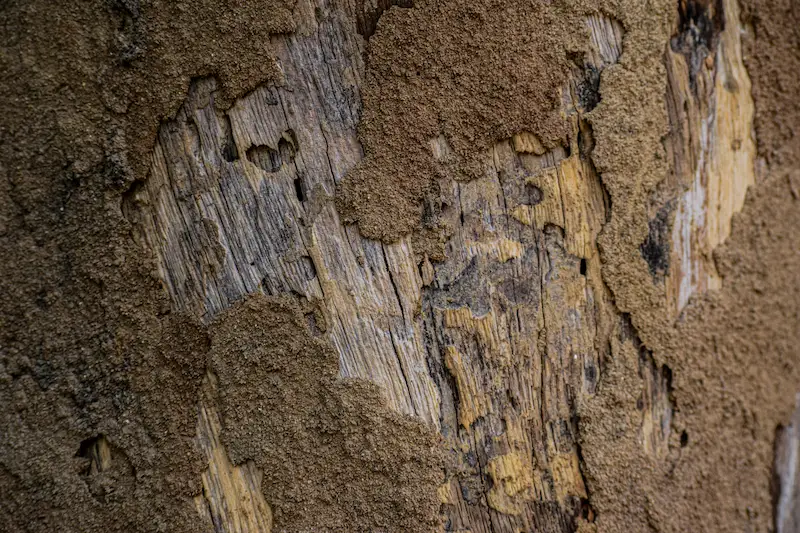
Termites are also known as silent destroyers. They mostly attack on wood. They are recognized by a professional person. You do not find them in your house easily because they are hidden in wood or other items.
Appearance
Termites have body shapes like flying ants. They have broad and oval shaped bodies with little construction at the waists. They lived in colonies. You do not see them easily but you can find them by the damage that they do.
Size
They are small in size, almost 3 mm to 1 inch long. Their size depends on the species. Termites have long bodies but conehead termites have pear-shaped heads. Their eggs are also tiny and require magnifying glass to see.
Color
Termites have different colours such as pale cream, white and dark brown. Most termites are found in cream colour which makes it difficult to identify them. Their colours are different on the basis of their categories.
Types of Termites
There are almost 2000 species of termites in the world. They are the main cause of structure damage. They are divided into different categories. But the major types of termites are following:
Subterranean Termites
Subterranean termites are typically ⅛ inch long in size. They are present in creamy white or dark brown in colour. They like to live in colonies. They use mud tubes for fetching their food without coming outside on the ground. They have the ability to destroy a building in the short term.
Drywood Termites
These pests are almost ⅜ inch to 1 inch long with a white to light brown colour. Drywood termites are generally found in houses and live in wood. They cause serious structural damage in your house. They also live in colonies and grow slowly. Their detection takes a long time, about one month or a year sometimes.
Dampwood termites
Dampwood termites are found in moist areas and they grow rapidly at those places. They can identify by the size which is about ½ inch to ⅝ inch with white to brownish colour. They are attracted to wet places. If you have any such place which has some moisture then dry it. So that your house is protected from termites.
Formosan Termites
The formosan termites are also known as super termites because they cause destruction at large scale. A mature colony of formosan termites can eat 13 grams of wood in a day. They are similar to the subterranean termites as both live underground and in colonies. They are generally ½ inch with creamy white colour.
Desert Termites
Desert termites are light brown in colour with swarmers measuring about ½ to ⅝ inches in length. They are active on the ground. They feed on dry cow manure, dead plants and grass. They generally do not harm the wood or building. Desert termites swarm at sunset. They also come after summer rains.
Characteristics of Termite Castes
Termites are found in colonies. A colony of termites also has different colonies further. So the caste system of termites is more complex. They have division of labour among them. They are also different from one another on the basis of their appearance and work.
Worker Termites
Worker termites are wingless little insects in termite castes. They have soft bodies with round heads and light colour. Normally you find them like white ants. Their body is relatively segmented.They are responsible for collecting food. They also have the responsibility of taking care of the queen and eggs.
Soldier Termites
Like worker termites, they also have soft bodies and large brown heads. They are little larger than worker termites. Soldier termites have robust appearance with dark brown colour. Due to their size and appearance, they are in the defence system. They work to protect colonies from outer threats.
Neotenic Termites
Neotenic termites are secondary species after king or queen. They have the capability of reproduction. So they increase the population of termites. Some types of these termites also have wings. They are looking like the worker termites in colour but large in size from them.
Swarmers
These termites are known as flying termites. They have long and equal pairs of wings on their body. So their duty is to find a safe place for the next colony. They have larger and harder bodies than soldiers. They close their wings on their abdomen when they are not flying.
Alates
Alates are the largest members in the colony. They are called king or queen. The queen has an extended abdomen for laying eggs. Its size is also larger than others. The king has the same body pattern like swarmers but it does not have wings. It usually remains in the colony and helps in mating throughout his life.
Termites Resemblance With Other Species
You may be confused about termites because some termites have the same physical look as other pests. It becomes difficult for you to identify them. A professional pest control guy can recognize them easily. Some pests and their characteristics which look like termites are following:
- Flying ants look the same to termites at some distance. But there is a clear difference between them. Flying ants have narrow waists and bent antennae. Their front wings are also bigger than their back wings.
- Carpenter bees do not look like termites but their work is the same. So, you may be puzzled about them. The main difference is that carpenter bees do not eat wood. They also make larger tunnels than termites because they are bigger in size.
Frequently Asked Questions
What do termites look like on wood?
Termites on wood look like a small and soft-bodied insect. They are usually found inside the tunnels which they form in wood. These tunnels make the wood weak and hollow.
What do termites holes look like?
Termites holes are often called kick-out holes. They are tiny small openings about ⅛ inch or less. These holes are mostly present in wood, drywall and furniture.
Do termites get in beds?
Termites rarely affect beds directly. They infest beds in those conditions when the bed frame is placed at the infected area. Termites do not bite humans but they may damage your mattresses, sheets and furniture.
To Summarize
Termites are small pests but they bring serious destruction. They may severely damage your house in a short time. If you are facing this problem then you should take immediate action against them. Otherwise they will become a severe situation which will be difficult to control.
If termites are present in your house and you want to get rid of them. Then we suggest you take the help of a trained pest control company which will handle your problem with their expert workers. Our team will eliminate termites from your house efficiently.
More related sources:
How Often Do You Need Pest Control At Your Home?
Related Posts
Book Bed Bug Exterminator in Tulsa Today
If you suspect bedbugs in your home, professional help can eliminate the problem quickly. Our team provides trusted bed bug extermination in Tulsa with solutions tailored to your property.
Contact Pathfinder Pest Control today to schedule a bed bug inspection and protect your home with expert bed bug control in Tulsa.
Need More Help?

Mikkel Henderson
About The Author
Hi, I am Mikkel Henderson, owner of Pathfinder Pest Control. Over the years, I worked directly with homeowners and businesses in Tulsa. Me and my team helped them to get rid of all kinds of pests such as bed bug, cockroach, rodents, ants & termites.
On this website, I share real experience advice and write guides so you can better understand pest issues. In my free time, I like to spend time outdoors and enjoy a bit of fishing.